
Health and Performance Resources for Parents, Youth Athletes, and Coaches
Evidence-based guidance.
Developing the Young Athlete: LTAD in Practice
Welcome to Developing the Young Athlete: LTAD in Practice, a podcast by oop movement. Hosted by Darragh Casey, an ISESA Accredited Sport and Exercise Scientist specialising in youth strength and conditioning, this series explores long-term athletic development through conversations with leading coaches, researchers, and athletes.
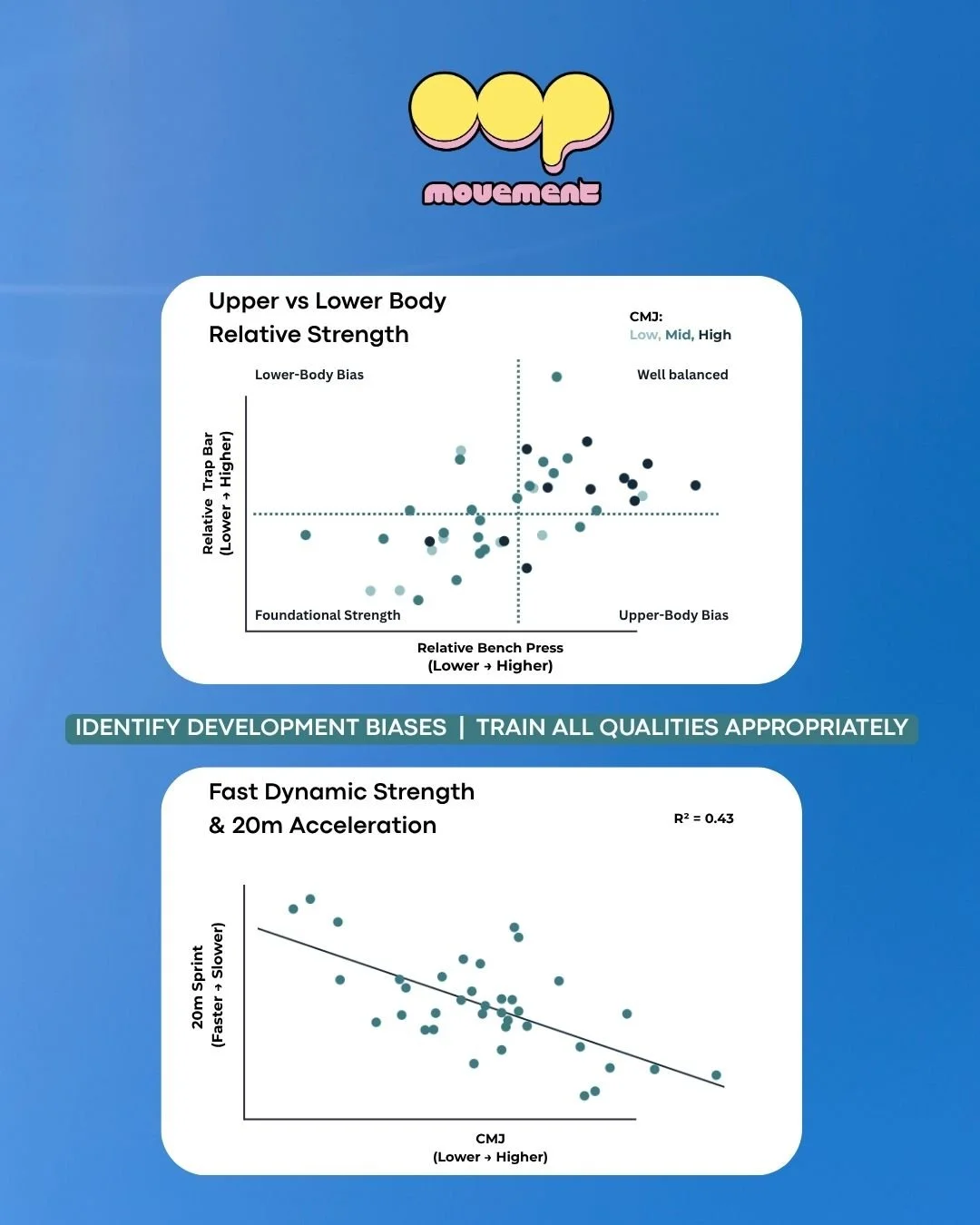
Strength Comprises Different Qualities | Train All Qualities
Strength comprises different qualities. And the development of those different qualities is just one part of a well-rounded programme of athletic development.
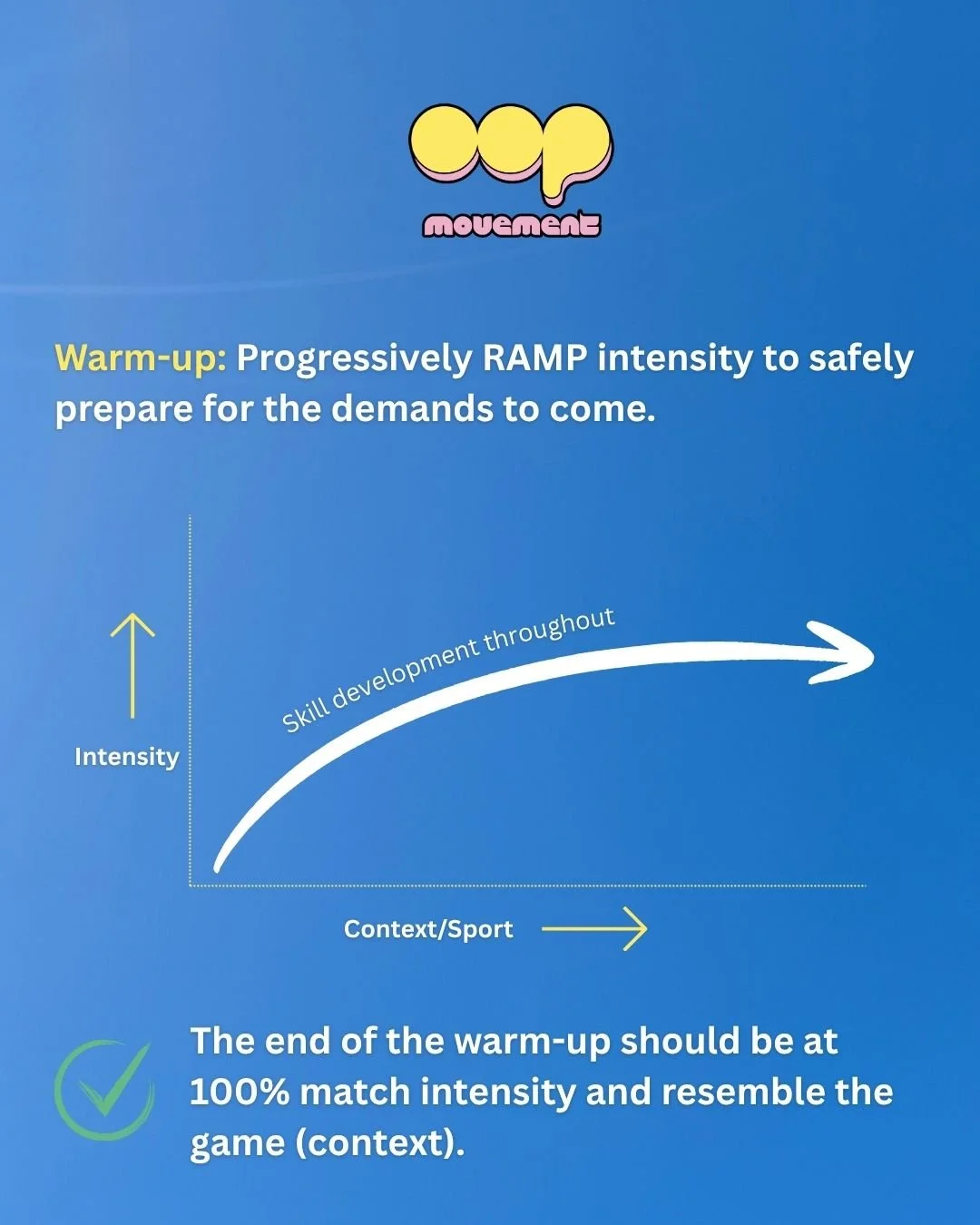
On warm-ups
15 minutes three times a week for six months. That's 18+ hours of athletic development. 📋⏱️
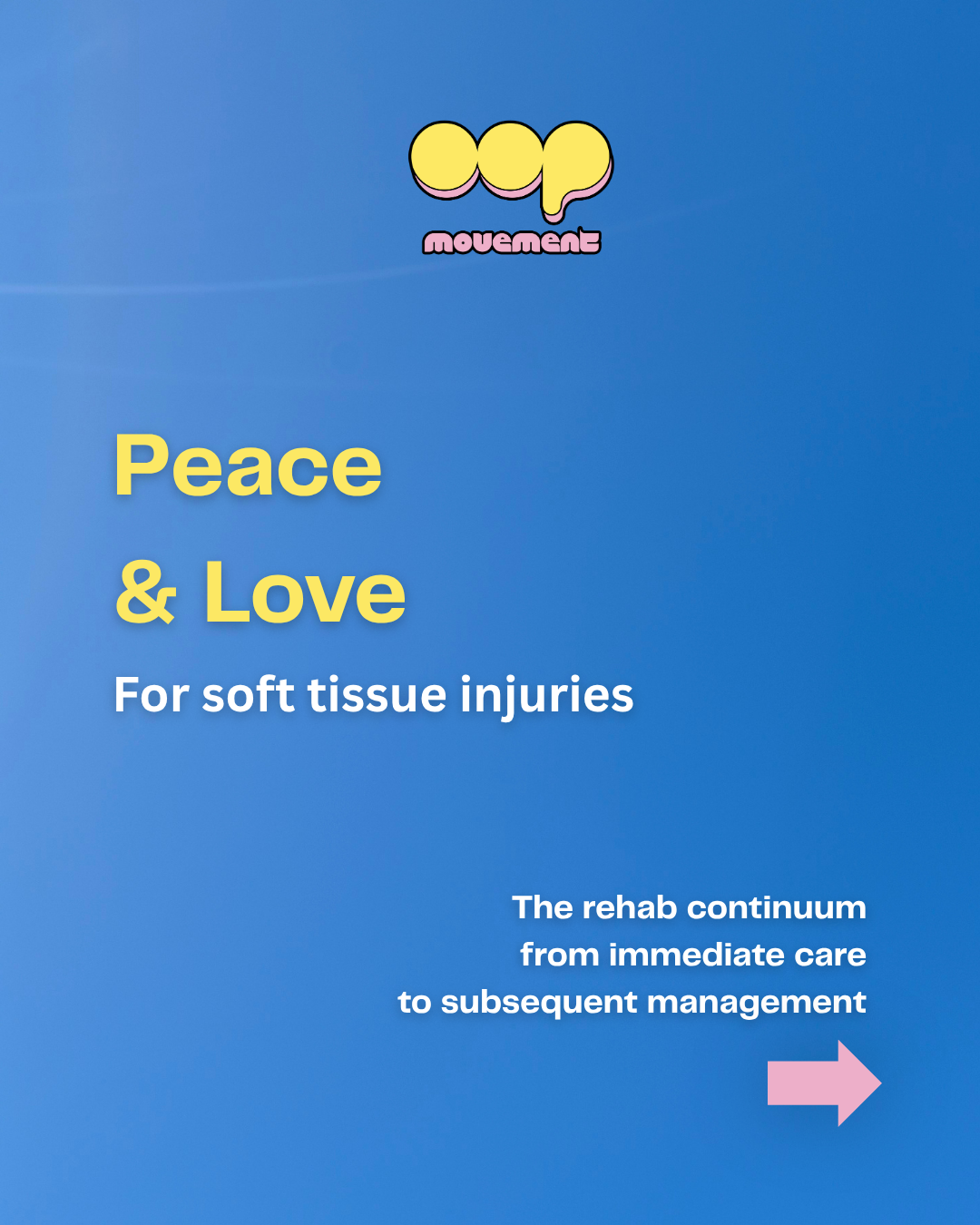
PEACE & LOVE
Soft tissue injuries simply need PEACE and LOVE, as proposed in the 2019 paper by Dubois and Esculier.
Same Age, Different Maturity
Programme design in the context of two 13-year-olds.
+ questions on our training process answered.
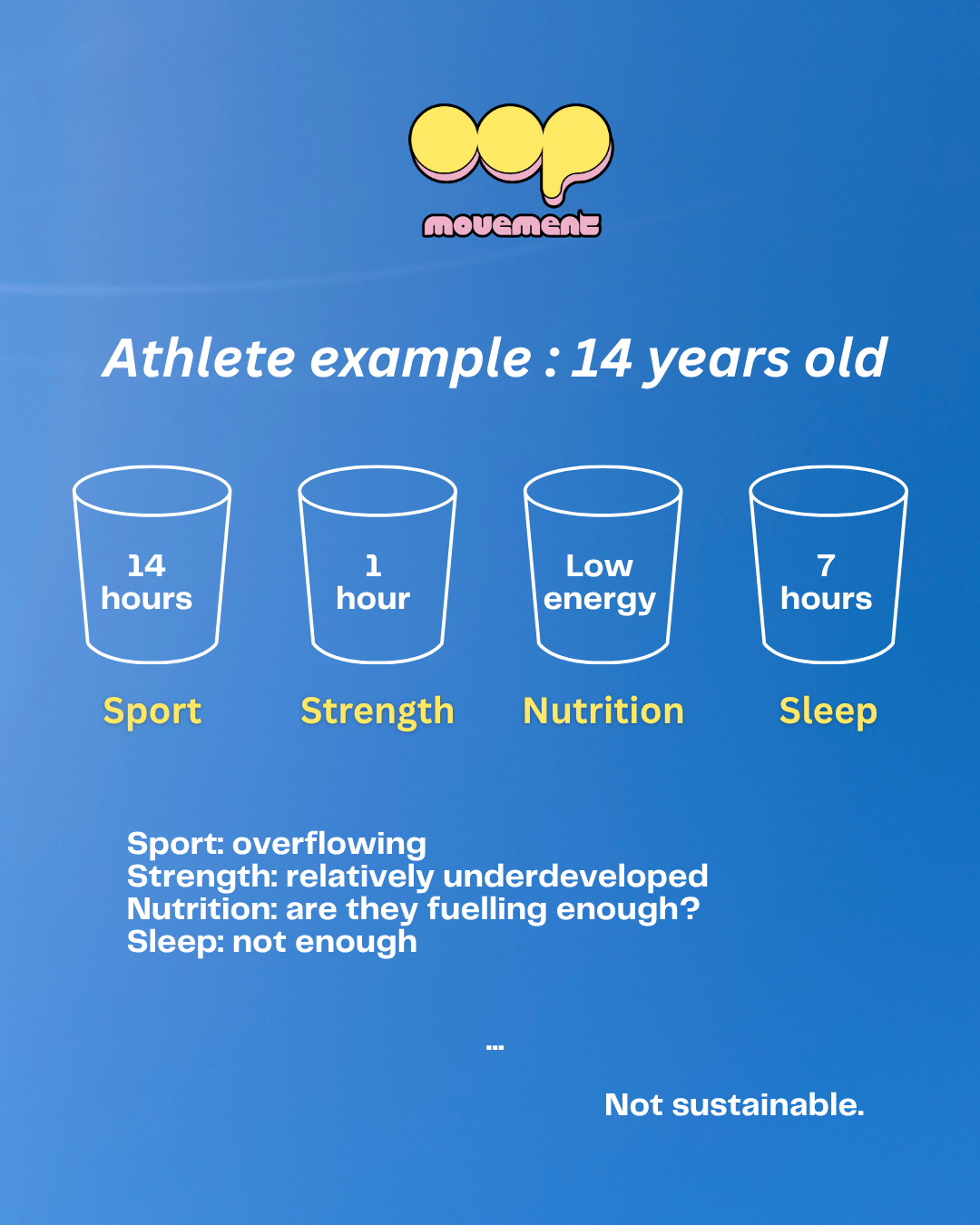
Sport, S&C, Nutrition, Sleep
Are the buckets balanced?
LTAD isn’t on thing in isolation.
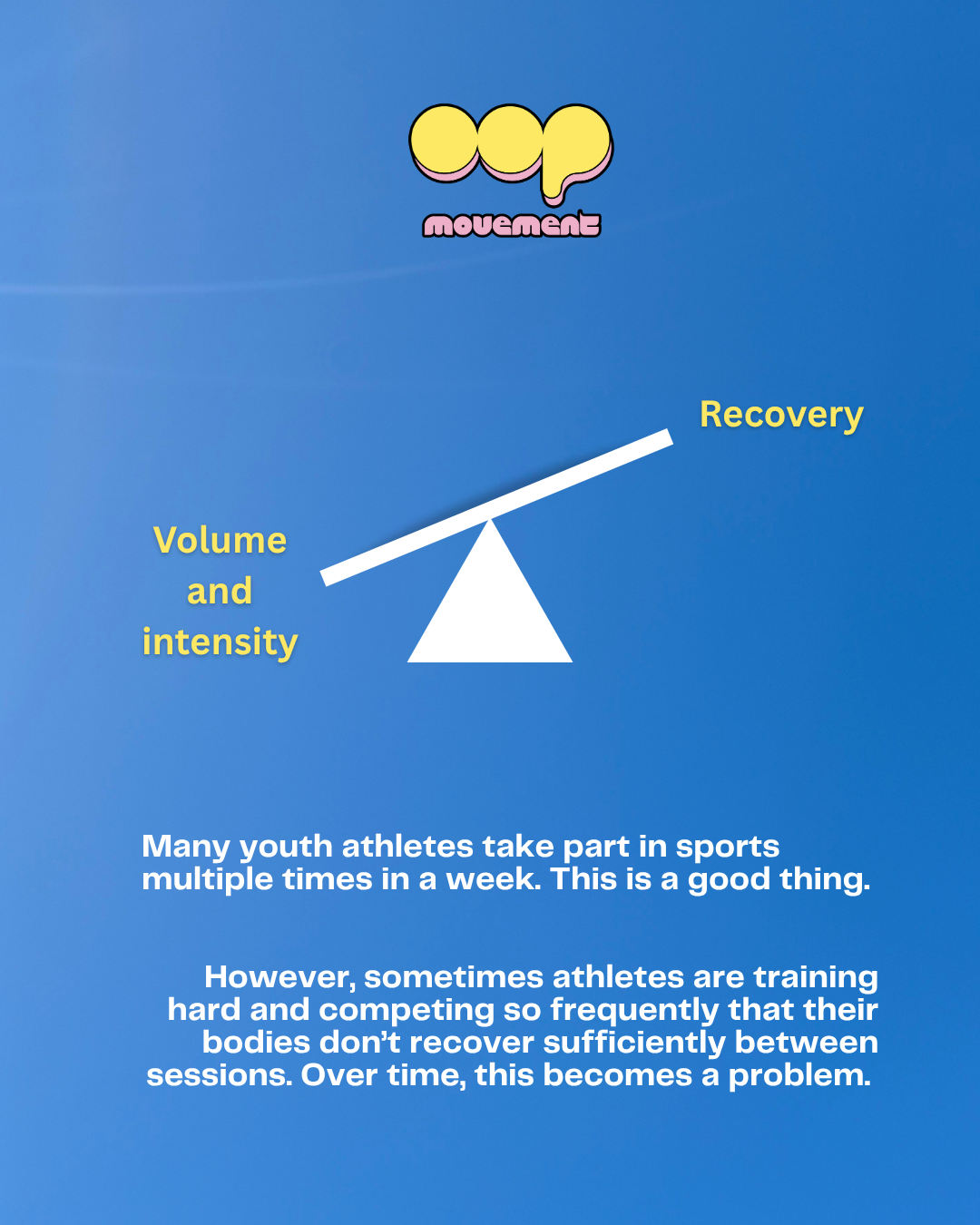
More ≠ Better | Facilitating Youth Athletic Development
In the words of Kelvin Giles, "the session is only finished when they've recovered from it."
More isn't better – better is better.

A Strengths-Based Approach to Movement
Language matters. Function leads. We use well-rounded programming to expand, restore, and challenge your movement options through progressive overload.

Dissertation Research: Biological Maturation, Talent Selection, and Physical Performance in Gaelic Games

Long-Term Athletic Development at oop movement
Here at oop movement, we take a patient approach to build a broad depth of movement skills, delivering systematic individualisation through qualified coaching

Youth Nutrition 102 - Performance Nutrition
Youth athletes face unique metabolic demands, balancing biological development with rigorous training. Consequently, a competitive teenager's daily energy requirements can frequently exceed that of an adult.

Youth Athlete - Rest and Recovery
Training load management, nutrition and sleep, session modifications, free play.
Adaptations occur and improved performance is facilitated between sessions.

Youth Physical Education | Strength Session Design
Session design.
Movement prep, jump, throw, squat, hinge, push, pull, trunk control.

Youth Swimmer - Physical Preparation
Improvements in physical outputs (test results) are associated with improvements in swim performance.
Covering 3 key training concepts: periodisation, progressive overload, and detraining.

Youth Nutrition 101
A healthy well-balanced diet contains a wide variety of foods, in the right amounts.
Recommended Reading
5 for parents on the training process at oop movement:
The training process at oop movement - long-term athletic development
Programming during the adolescent growth spurt
The science of youth resistance training
The importance of youth S&C to reduce injury risk in girls
Further research and context:
The context of our training programmes | movement pyramids
Rehab or not - it’s all training
Getting the most out of your S&C programming
Movement competence and confidence
For S&C coaches working with youth athletes, the goal is clear (Lloyd et al.)
Soreness on a regular basis isn't an indicator of making progress
Reduce the risk of functional overreaching, overtraining or staleness
When a measure becomes a target, it ceases to be a good measure (Atomic Habits)
The developmental model of sport participation
Bigger picture / philosophical:
Equitable spatial design | options opportunities places
Turn the playground inside-out (Tim Gill)
Movement exploration and skill development (Ed Coughlin)
Bigger and longer isn’t better
How we learn to move (Rob Gray)
The connected community (Cormac Russell and John McKnight)
options opportunities places . movement
We benefit from variety of movement
Cycles (Katherine May)